Transition to containerised production presented to Parliament's Environment Committee

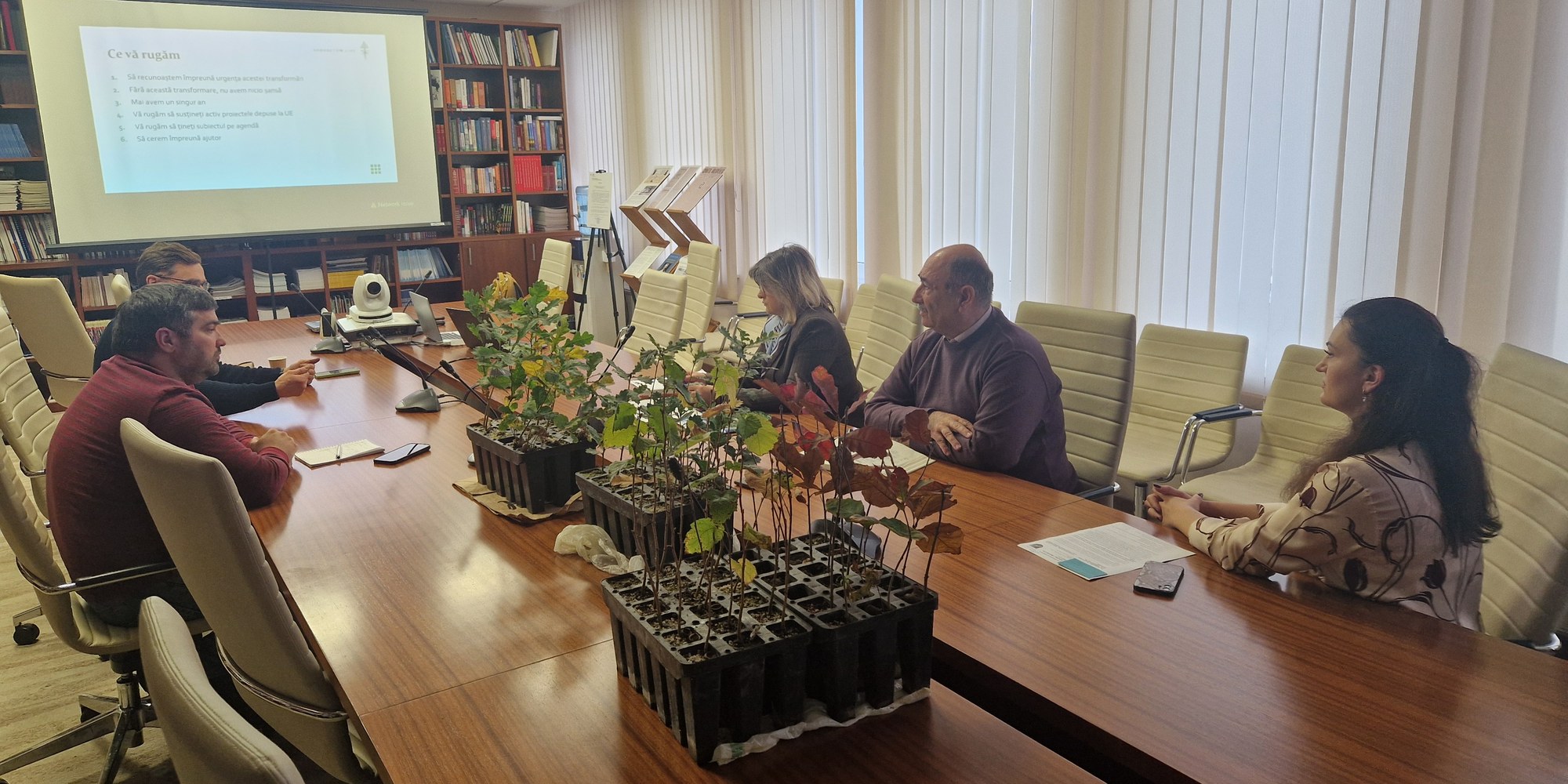
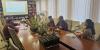
On 2 November, in the library of the Parliament of the Republic of Moldova, we presented to members of the Committee on Environment, Climate and Green Transition the vision of the environmental civil society sector on transforming forest seedling production. We were joined by Dorin Gritcan (Kids for Nature) and Alexandr Perjan (Euroalun - Alune Moldova). We thank MP Veronica Harbuz-Briceag, who organised the meeting, Committee Chair Valeriu Muduc and Ms Ana Frunză, specialist consultant, for the interest with which they listened and for the open dialogue that followed.
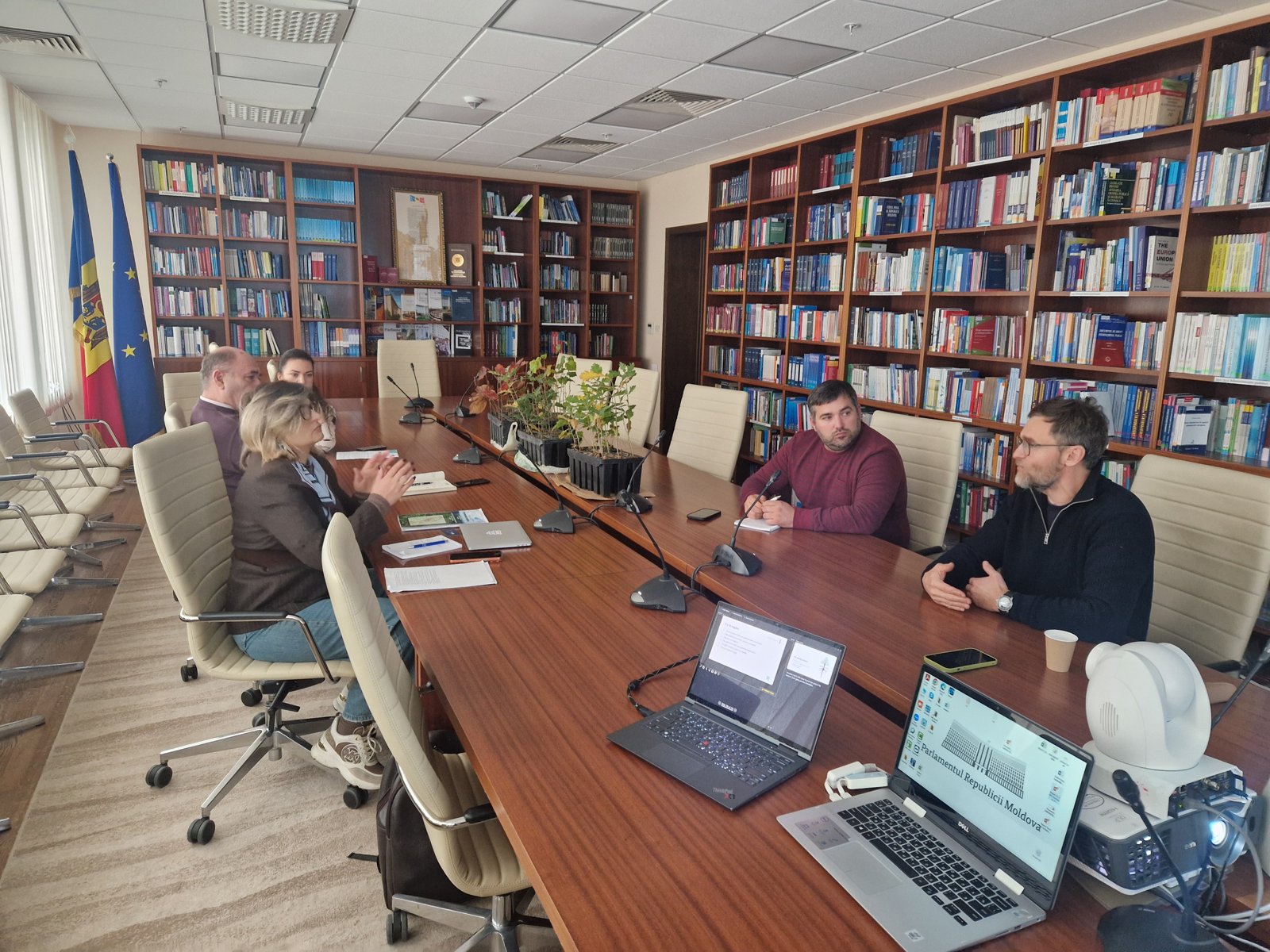
We came with a simple message: this is the moment for key decisions. The EIB loan for three industrial nurseries and a seed centre, the containerised nursery under the Green Shield project and the reform of Moldsilva all fall within the same window. What is decided now - how production will be organised, to what standards and with which people - will shape the system for decades. But if we miss this moment, there is no telling when we will get another chance.
The stakes go far beyond nurseries. Our capacity to grow vigorous seedlings of native species is the foundation for the successful delivery of the National Programme for Forest Expansion and Rehabilitation. It underpins biodiversity commitments, water security, soil protection and the conditions for agriculture. The problem is not the number of seedlings: Moldsilva already grows more than 41 million a year. The problem is how many of them become forest. The indicator that matters is the successful hectare, not the cost per seedling.
Much of the presentation was built on the conclusions of our recent study visit. In Sweden, eight state nurseries together grow 126 million seedlings a year, to standards developed as early as the 1960s. Lithuania went from more than 50 state nurseries to 11, which produce over 50 million seedlings a year and export 20% of them. And all of it in less than 10 years! The lessons we brought back are clear: a single system across the country, with the same equipment, technology and training in every nursery; genetics and seed as the foundation of quality; a national structure for planting stock production and forest seed management, separate from forest management. The method and the organisation we can borrow. The seeds, we cannot.
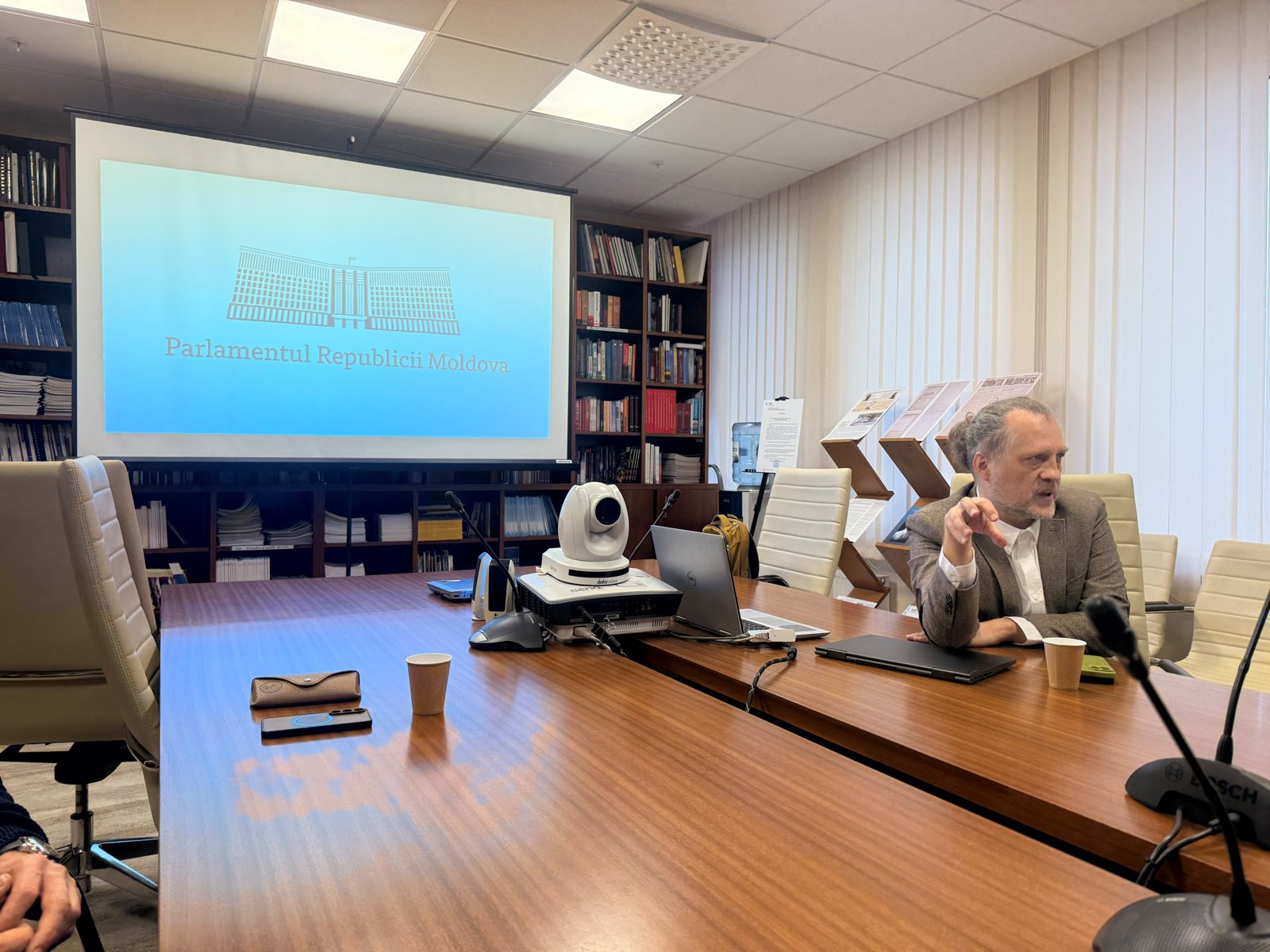
We also spoke from our own practice. For almost ten years we have been growing container seedlings, and we know from the field how different this technology is from a conventional nursery. It is a totally different galaxy, with its own logic, rhythms and skills. That is exactly why we believe the transition cannot be achieved simply by buying equipment.
We are not alone in this. Over recent months we have built direct relationships with state seedling producers in Sweden and Lithuania, and our organisation is a participant in the MIGRA-TREE network on assisted migration of forest species. We have also submitted our first application to the EU LIFE Programme, LIFE ROOTS, for ecological restoration in Emerald Network sites. These partnerships can bring expertise, research and additional funding to Moldova, complementing the investments already planned.
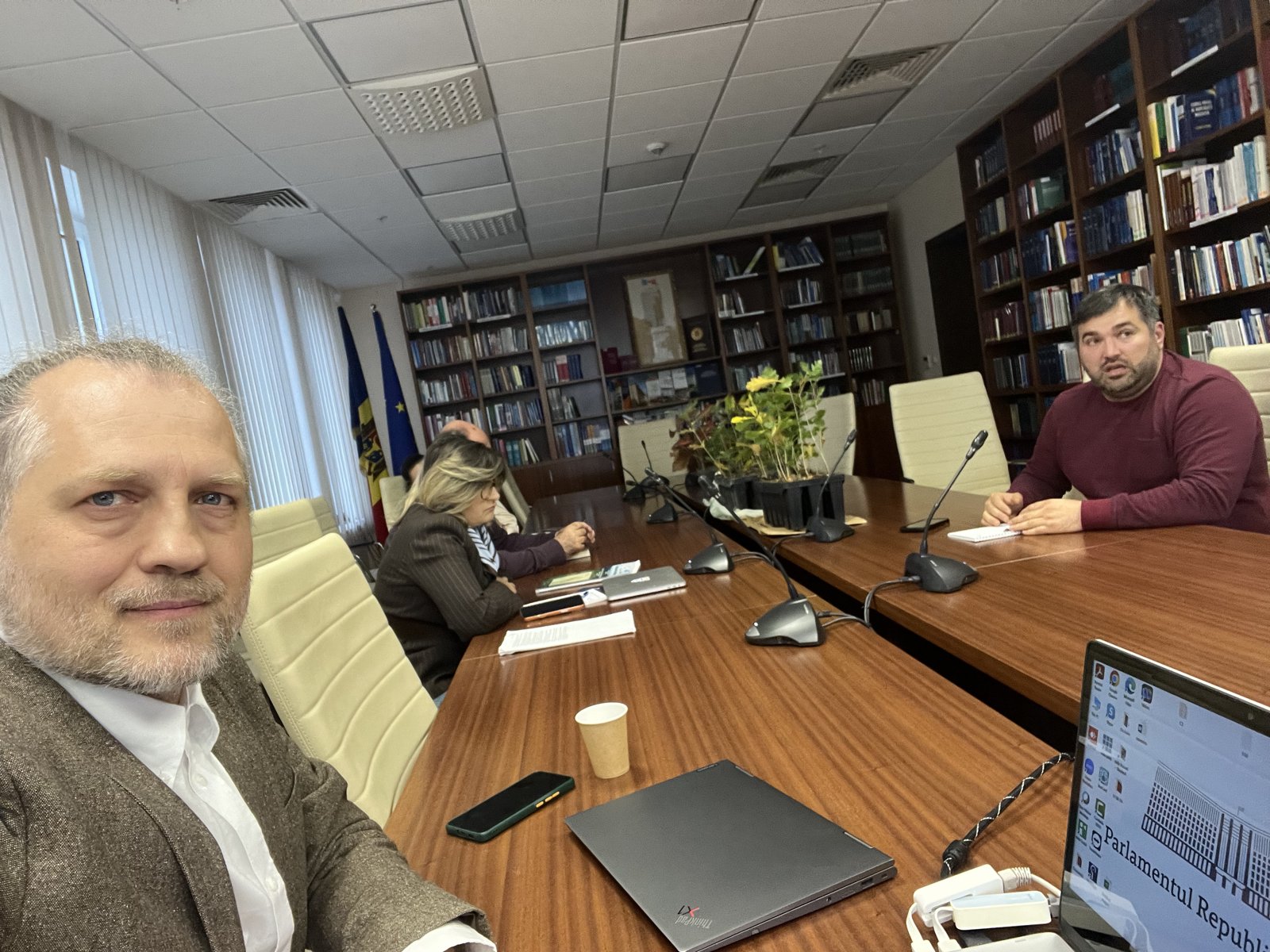
We expressed our readiness and our wish to support this transformation, so that it is carried out with quality and in the shortest possible time. So that our forests grow from healthy seedlings, able to withstand drought and competition from herbaceous vegetation.
Our team's "support group" at the meeting included seedlings of native species, pedunculate oak and downy oak, as well as adapted species, northern red oak and Turkish hazel. All of them were grown in our nurseries in 3-6 months and are ready to be planted out.
The forest begins in the nursery. And Moldova's future nurseries begin with the decisions we take now.
#TehnologieContainerizata #ContextECO #GreenInfrastructure
Related Posts
Planting Forests between Springs
A NEW MINISTER ORDER PROHIBITS FELLING IN THE FORESTS OF THE REPUBLIC OF MOLDOVA!
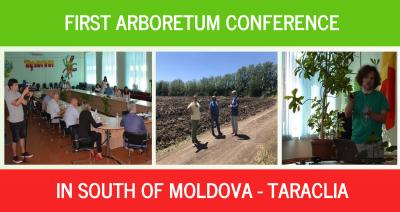
Our first presentation at Taraclia

EU Green Deal capătă Contur