Sweden: from clear-cut forests to 126 million seedlings a year [PHOTO / VIDEO]

![Sweden: from clear-cut forests to 126 million seedlings a year [PHOTO / VIDEO]](https://arboretum.live/pub/media/mageplaza/blog/post/s/u/suedia_cover.png)
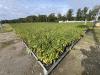
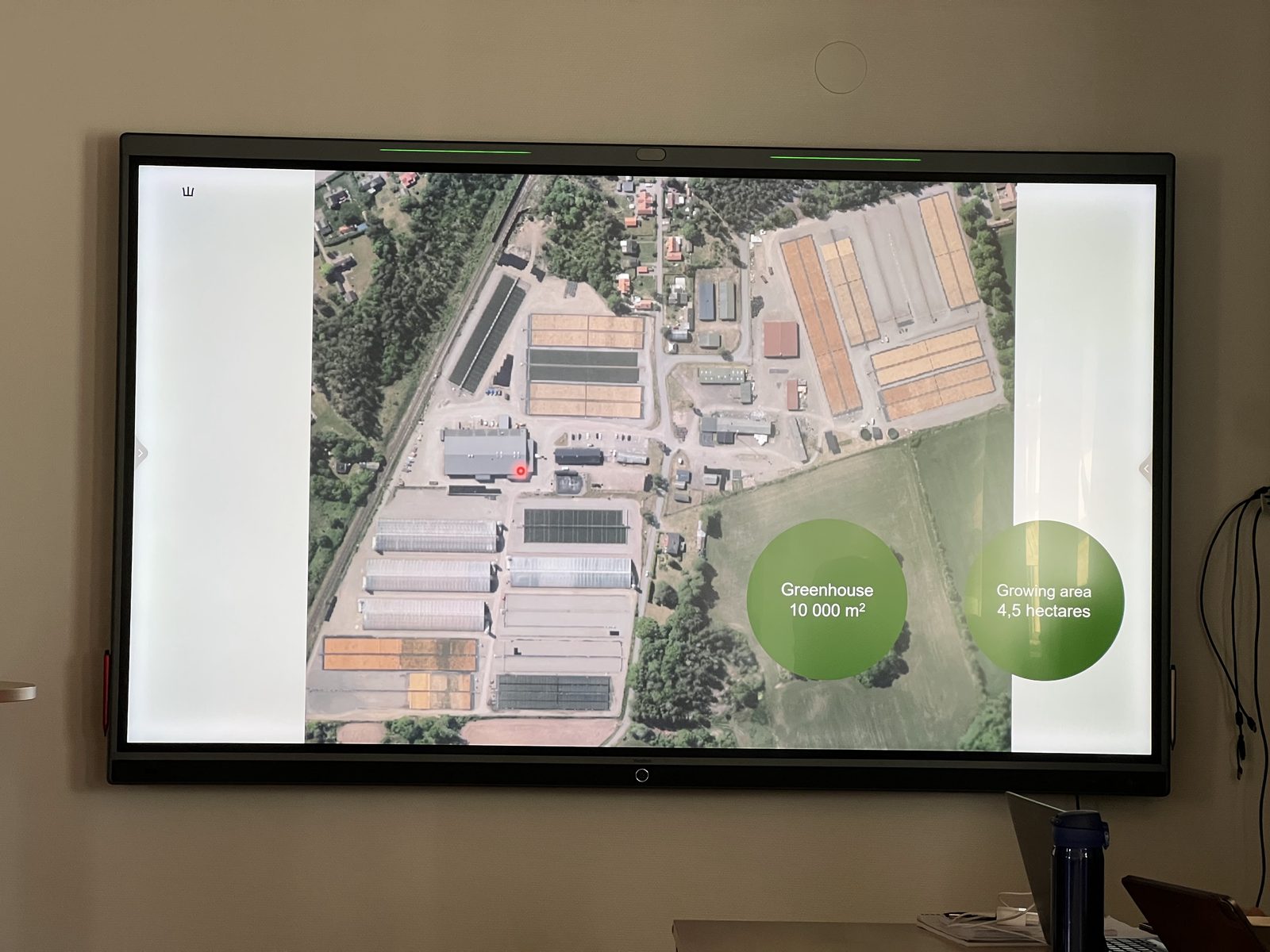
The first stop of our study visit to Sweden was an industrial state nursery in the south-east of the country. It grows about 16 million seedlings a year with only 20 permanent employees, and it is one of eight state nurseries that together produce 126 million seedlings annually.
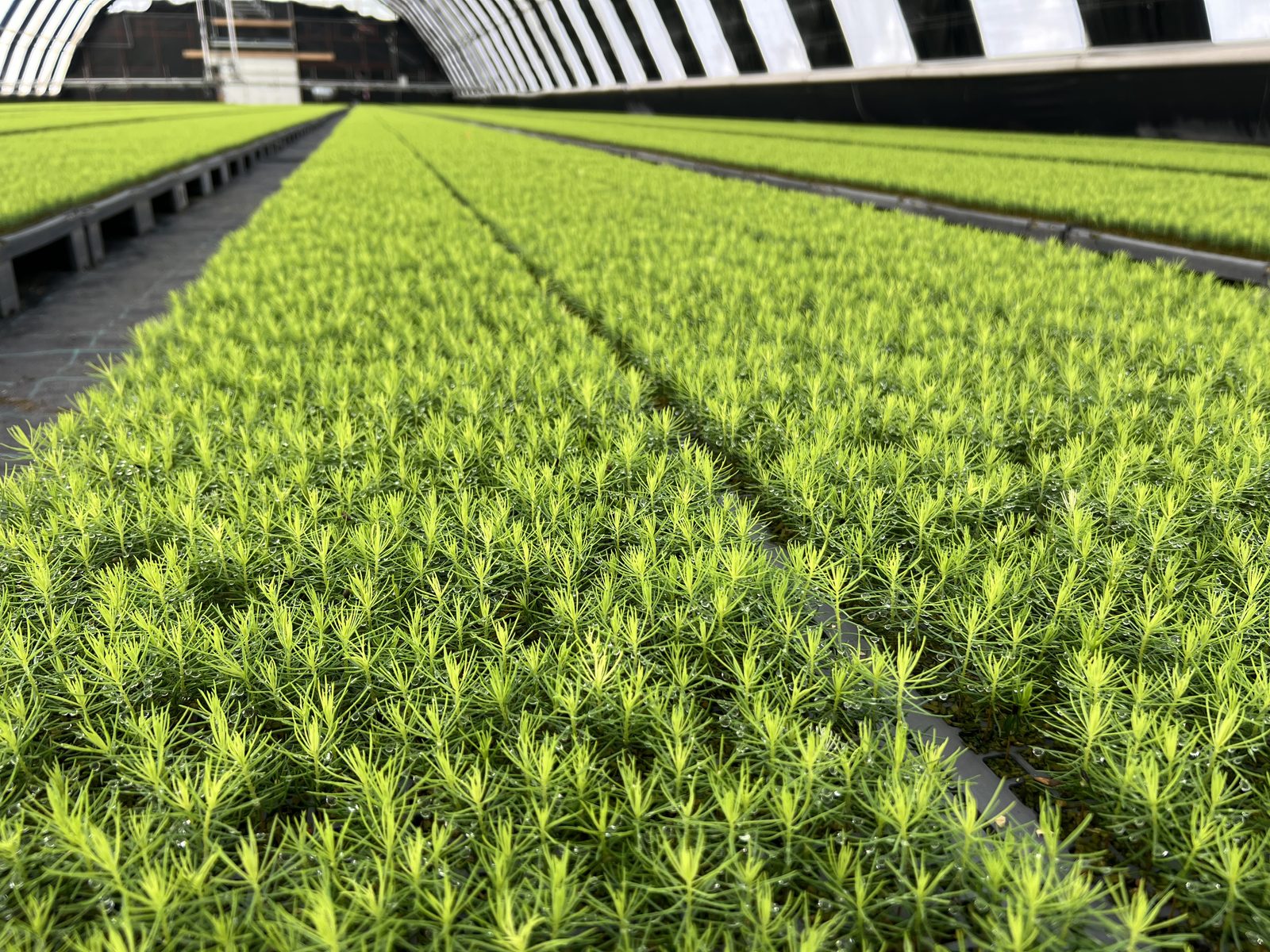
The Swedes were among the first in the world to see the advantages of container-grown seedlings, and they developed industrial growing standards as early as the 1960s. So what we saw is not a technological leap of yesterday, but continuous development over more than half a century.
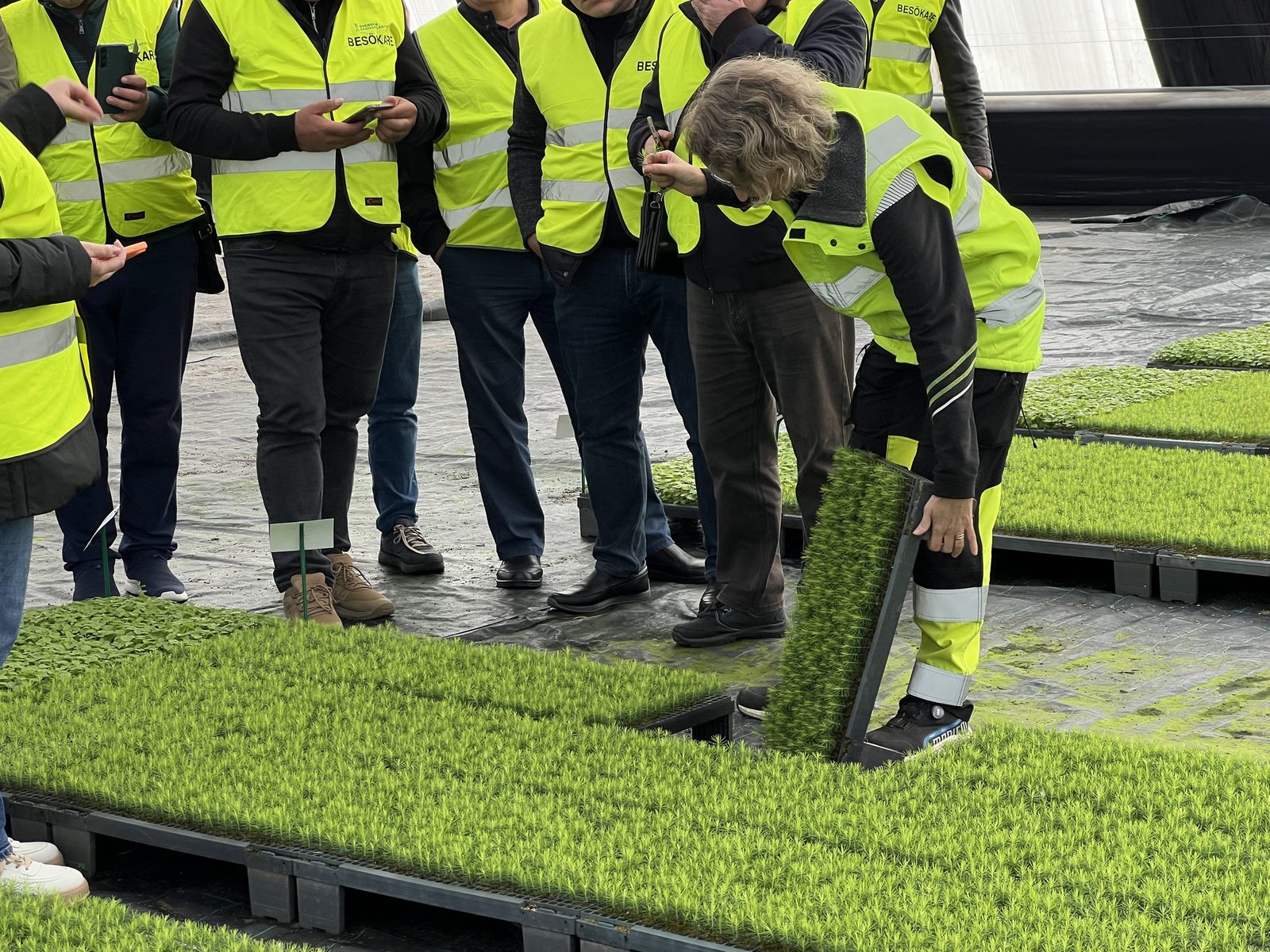
Divide 16 million by 20 people and you get 800,000 seedlings per permanent employee per year. The nursery in Bulgaria, which we wrote about earlier, produces between 800,000 and 1.5 million in total in a year with the same number of employees. That comes down to an exceptional degree of automation and state-of-the-art technological solutions.
Today forests cover about 70% of Sweden's territory, and timber and its processing are the country's showcase. But it was not always so. In the south the old forests had turned into poorly productive land by the 19th century, in the north logging was intense until the early 20th century, and at the same time about 1.3 million Swedes emigrated to the United States. In 1903 the first forest code appeared, requiring replanting after felling, and Skogforsk calls it the first modern forestry law in the world. That is where one of today's most efficient forestry industries started.
In recent decades sustainability and biodiversity matter more and more. For new forests, standards are being introduced that avoid monoculture, develop all layers of the forest and take wildlife into account...
The state, through the company Sveaskog, owns only 14% of the forest land, yet it is still the largest single owner. The rest belongs to the private sector and communities, and among the top owners is the Church of Sweden.
Climate is changing the species structure here too, and broadleaves are gaining ground. Swedish industry has so far worked almost exclusively with conifers, and now it is taking its first steps toward broadleaves on a large scale.
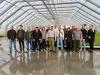
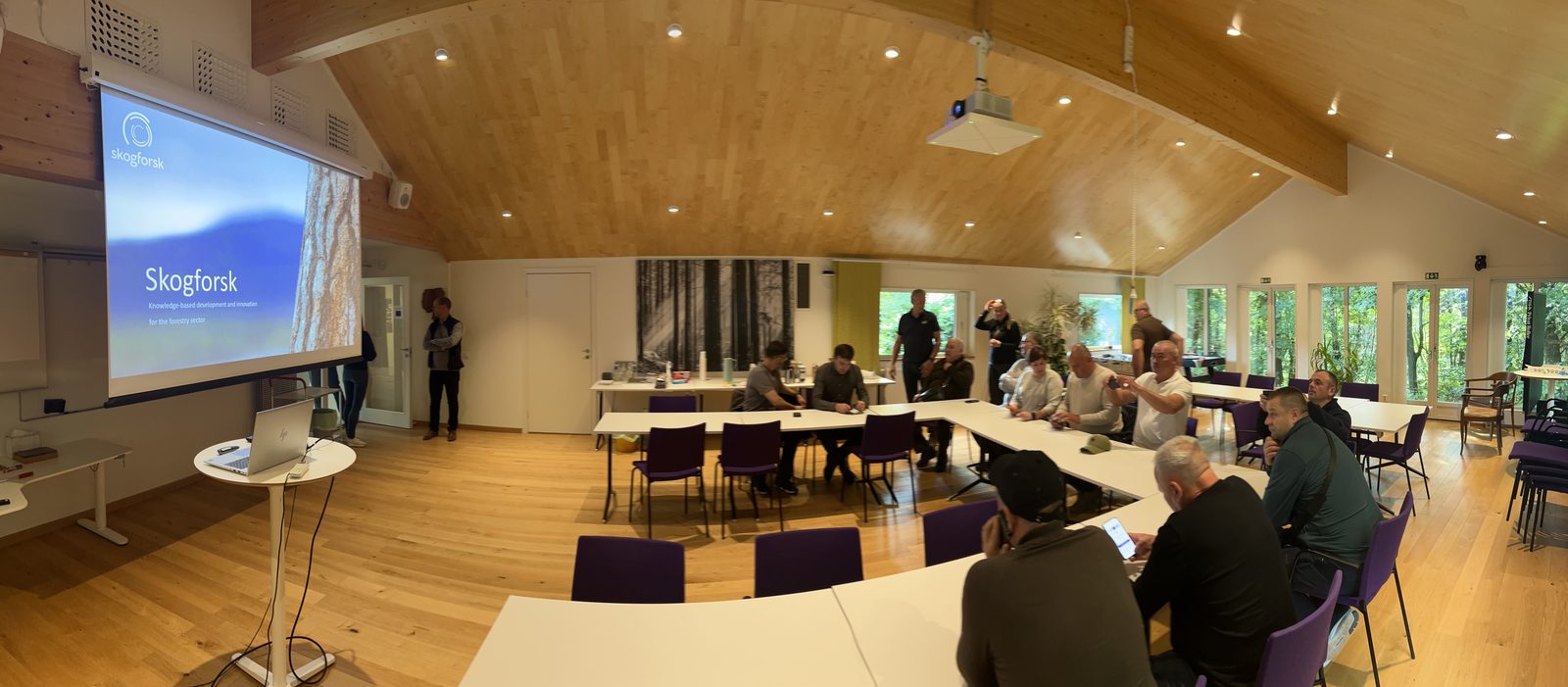
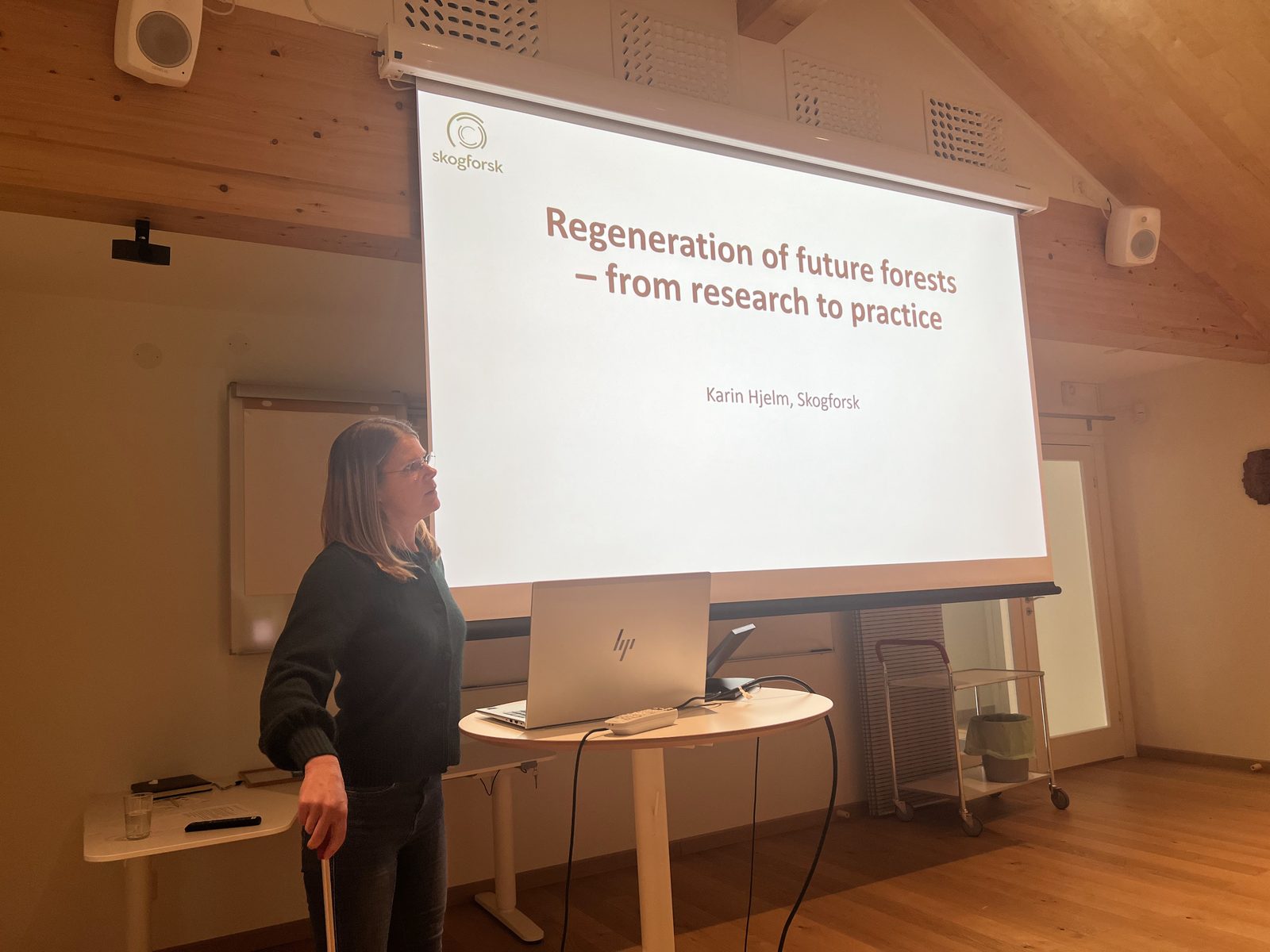
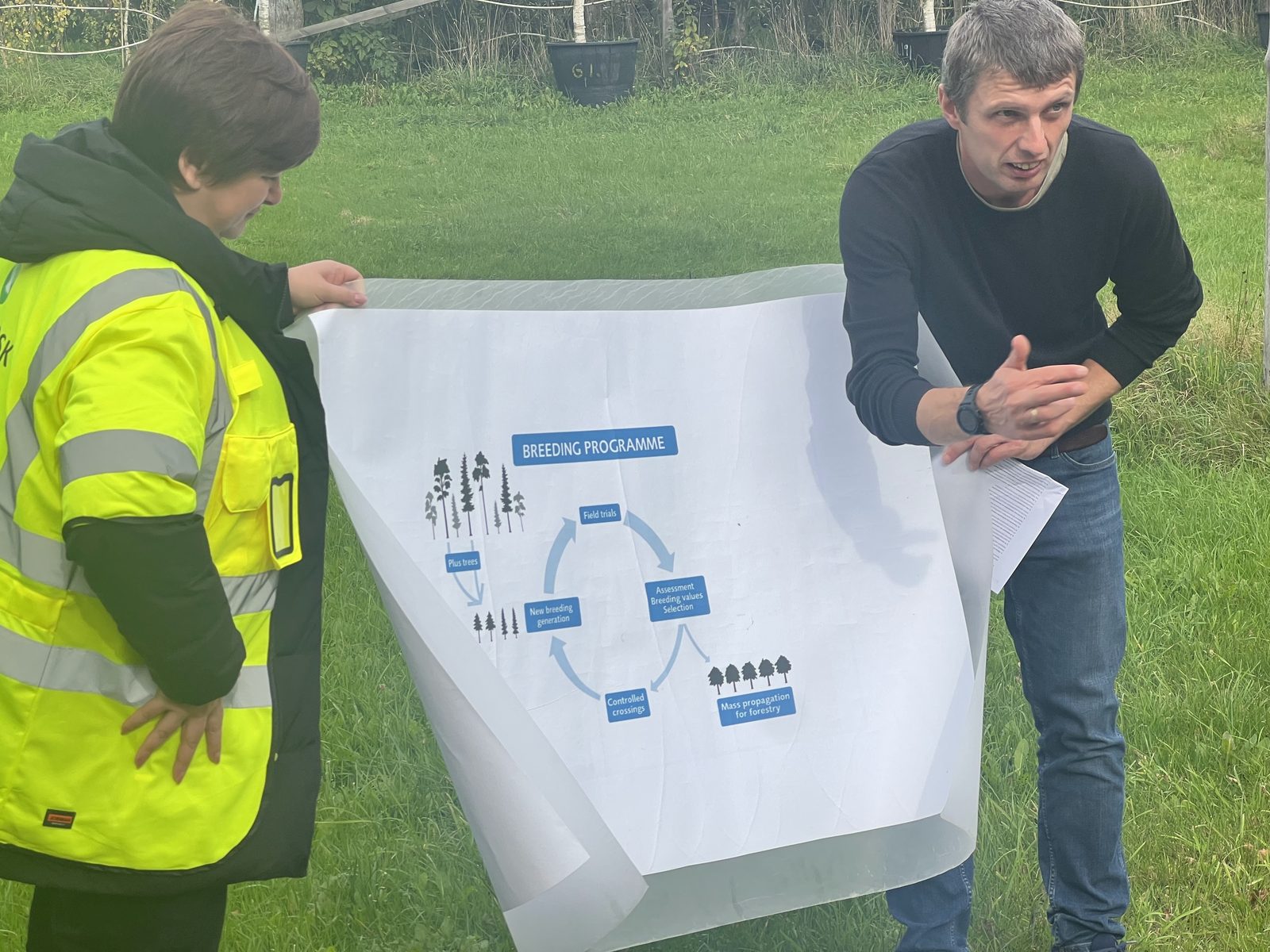
The next day we were at Skogforsk, the Swedish forestry research institute, at its southernmost station. One station operates in each biogeographic zone of the country. We got acquainted with today's trends in the sector, with the complex selection process for birch, pine and spruce, and with the first research work on oak. We also learned briefly how Swedish forestry developed and how research is organised and funded. We made a few useful connections of mutual interest.
Sweden has one of the longest roads travelled in this field, but our next stop, Lithuania, shows an extraordinary speed in implementing innovations. For Moldova, which starts later, perhaps that is exactly the lesson closer to our reality. More about it in the next article. Stay tuned.
Related Posts
![Lithuania: from over 50 nurseries to 11 and 50 million seedlings a year [PHOTO]](https://arboretum.live/pub/media/mageplaza/blog/post/resize/400x/l/i/lituania_cover.jpg)
Lithuania: from over 50 nurseries to 11 and 50 million seedlings a year [PHOTO]
Lessons from Our Study Visit to Sweden and Lithuania