Lessons from Our Study Visit to Sweden and Lithuania

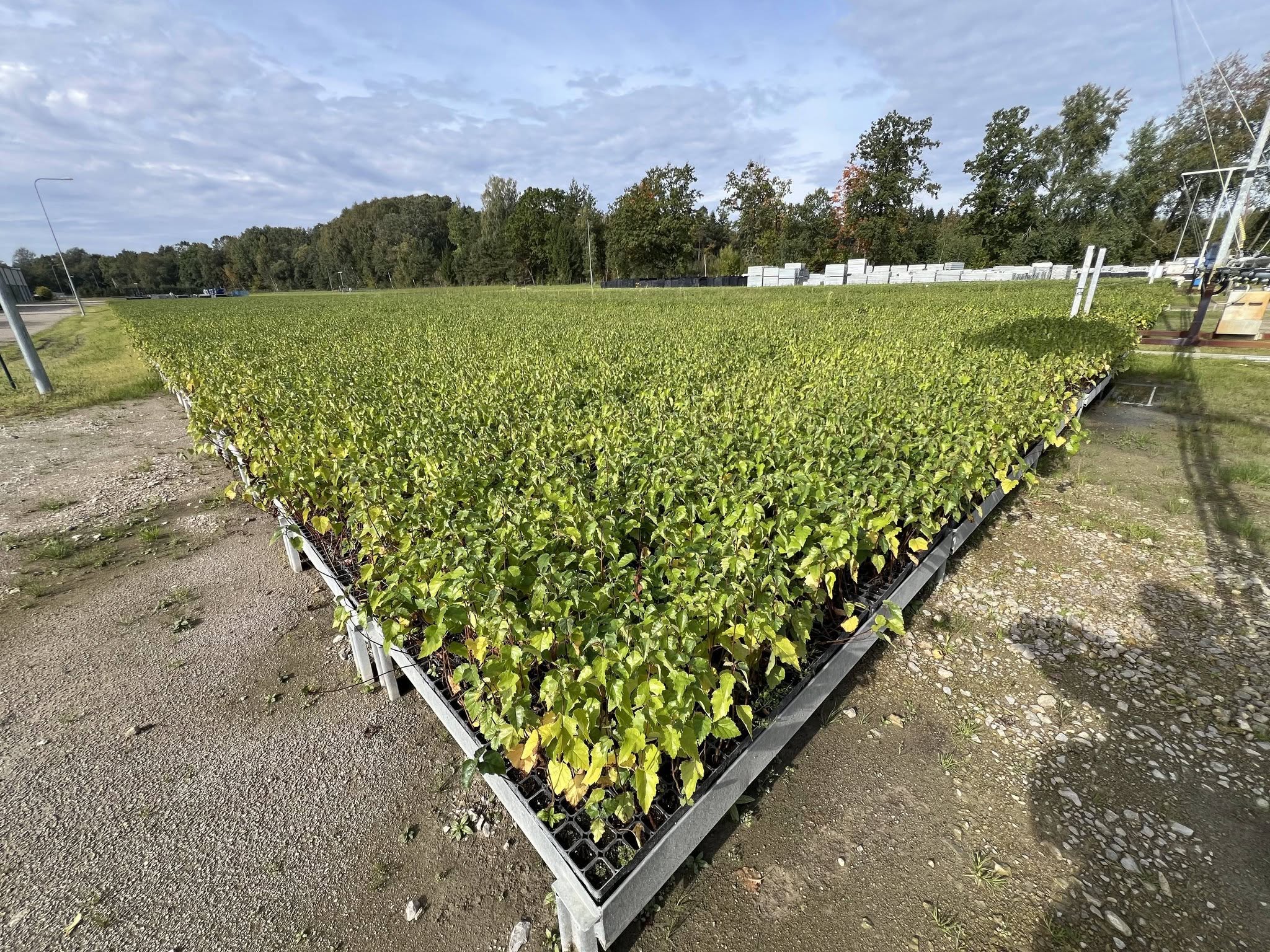
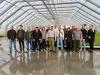
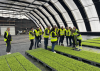
A forest begins in the nursery. And the nursery begins with the seed. We understood this for good when we saw with our own eyes how forest planting stock is produced in Sweden and Lithuania during our recent study visit.
One thing must be clear understood: without strong, modern nurseries there is no way to seriously change the state of the environment or cope with drought! In effect, we have to catch up with the train of climate change, which is already racing at full speed... The solutions exist. Some countries doing that... Will we be able to understand them and put them into practice in the shortest possible time?
In both countries we found, in essence, the same thing: a system designed and implemented at national level. The same equipment standard in every nursery, the same production protocols, people trained to the same rules. Not islands of good practice, but a network that works as a single organism across the whole country, even though it spans different biogeographic zones.
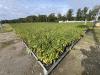
Sweden built this system over decades. Industrial standards for containerized production were developed there as early as the 1960s, and today eight state nurseries together produce 126 million seedlings a year. It is a complex, refined system, thought through to the last detail and automated to the maximum.
Lithuania shows us something else, perhaps even more valuable for us: speed without any loss of quality! The country went from more than 50 state nurseries to 11 and now produces over 50 million seedlings a year. 20% already goes for export, together with tons of improved seed. And all of this in less than 10 years! Behind the figures lies a very deep understanding of the technology and of how it has to be adapted to local conditions.
Yet the most important lesson was not in the greenhouses but before them: in the seed. At Skogforsk, the Forestry Research Institute of Sweden, there is a research station in each of the country's biogeographic zones. The Swedish tree breeding program is almost a hundred years old. Seedlings from improved seed now grow up to 50% better than those from unimproved material, and breeding puts more and more emphasis on survival, adaptation to a changing climate and pest resistance. There we saw the complex selection process for birch, pine and spruce, and the first research work on oak.
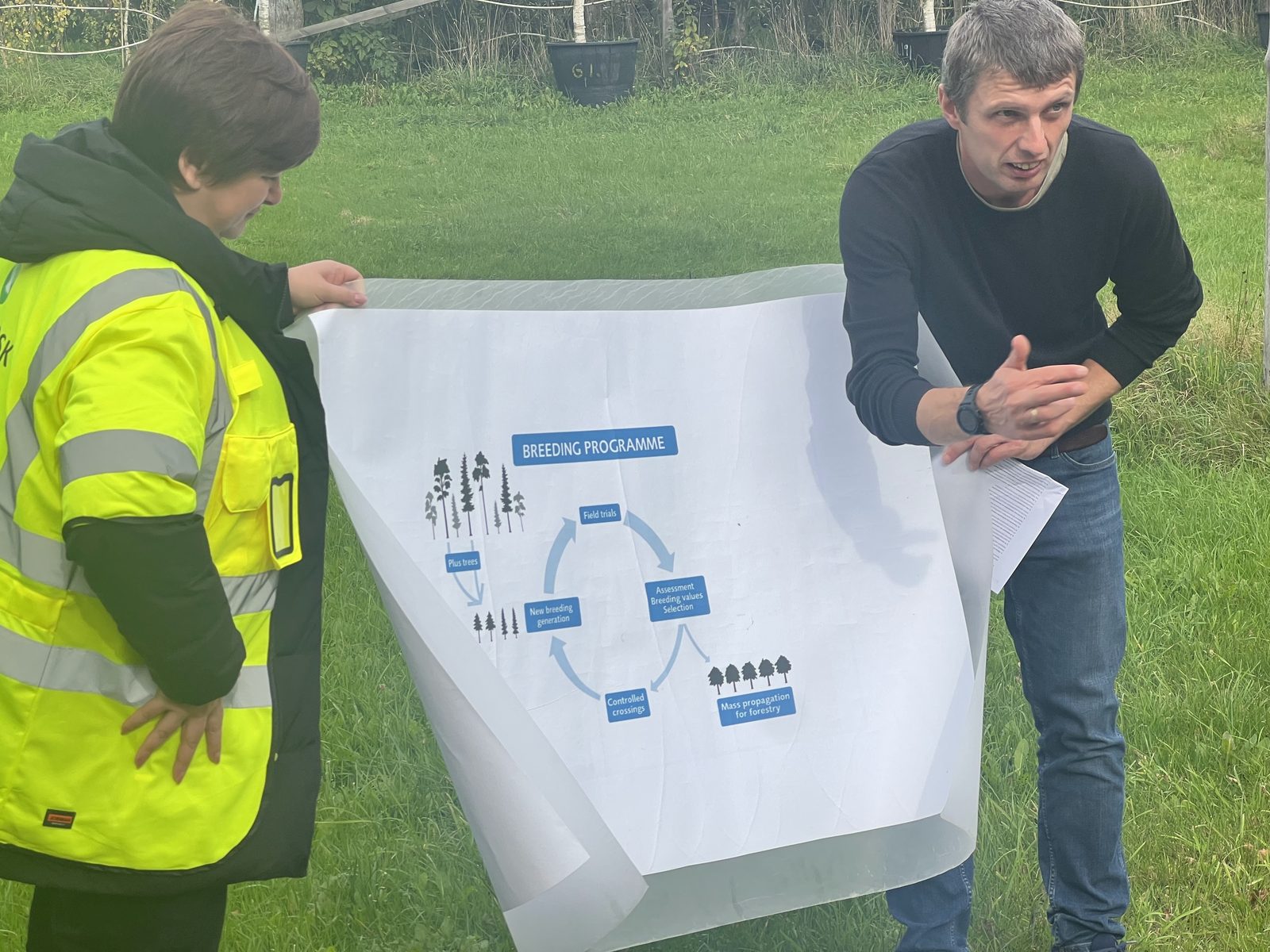
The Lithuanians reached the same conclusion by their own road: if you produce at scale, you have to produce at the highest quality, and quality starts with genetics. Their genetic center, part of a network of research sites and experimental orchards, selects the most productive forms of each species. They work with controlled crossing, flowering stimulation, dedicated seed orchards, ongoing genetic analysis, grafting and rootstock selection. In Kaunas, the new nursery has a seed center that works with both conifers and broadleaves, including wild fruit species, which are becoming increasingly important in ecological restoration.
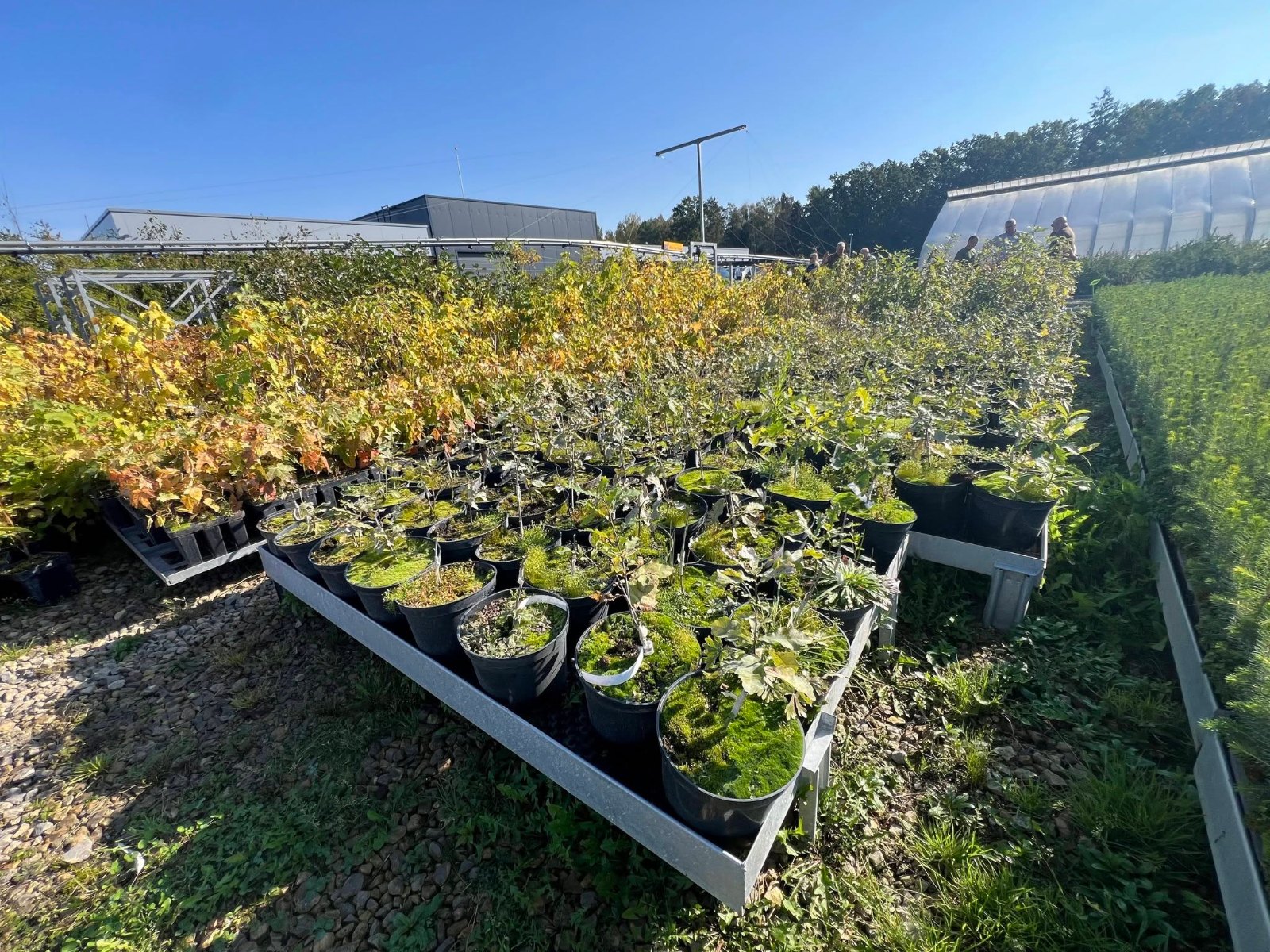
The conclusion is simple and impossible to avoid: a seedling grown to perfection in a container from seed of unknown provenance is still an unreliable tree. We cannot borrow their seed; our species and our climate are different. But we can borrow the method and the organization, and gain extremely precious time!
We believe the Republic of Moldova can travel this road even faster. For perhaps the first time, all the conditions are on the table: the forest sector reform, EIB funding for the National Program for Forest Expansion and Rehabilitation (PNERP) with three industrial nurseries and a seed center, and the southern nursery under Green Shield. And a historic drought that has shown how urgently we need forests of native species, not yet another wave of black locust plantations.
That is what is at stake: building in years what took others decades!
Containerized seedling production is not an appendage of forest management. It is a separate galaxy: a technology of its own with many subtleties, entirely different skills, a much faster pace... That is why the structure that produces planting stock and manages forest seed should be a separate enterprise or, at the very least, one with broad autonomy. It should include seed stands, seed orchards and a breeding program for our native species, fit for the climate to come. It needs people who are ready to dedicate themselves professionally to this field, and research that improves both genetics and technology, from oak to the other native broadleaves.
And one more thing, perhaps the most important. In a forest, every cycle takes a year, and tree breeding is measured in decades. A mistake means a lost year, sometimes several. We cannot afford the luxury of learning from our own mistakes. We have to learn from other people's mistakes and bring in, as quickly as possible, the experience that matters for Moldova.
Tomorrow's forests are being decided now, by the way we organize our seed and our nurseries. How do you see it? Share your thoughts in the comments and pass it on.
We have summarized all the ideas, recommendations and conclusions in more detail in a document that is now going to the Ministry, development partners and donors. You can browse it below, and one click on the document opens it in Google Docs, where you can leave comments and suggestions.
Follow the whole journey under #TehnologieContainerizata
Want to lend a hand? If you found this useful, here is how you can support the work of the ARBORETUM.LIVE platform:
At no cost:
- Volunteer - at plantings, in our nursery activities, or support our projects with your professional expertise, including remotely. Details
With a contribution, financial or in kind:
- Donate directly or sponsor an entire batch of containerized seedlings. We will tell you which species, where and when they will be planted. Donate
- Provide consumables, materials or equipment our organization needs. List
- Buy locally grown seedlings from our shop and plant them around you. Shop
For companies:
- Start a corporate forest with your team. Details
- Engage your employees in skills-based volunteering. Details
Forests are restored by people who get involved!
Related Posts
Planting Forests between Springs
A NEW MINISTER ORDER PROHIBITS FELLING IN THE FORESTS OF THE REPUBLIC OF MOLDOVA!
Our first presentation at Taraclia
EU Green Deal capătă Contur