Moldsilva Reform on TVR Moldova: Yes to the Merger, but a Forest Is More Than Timber

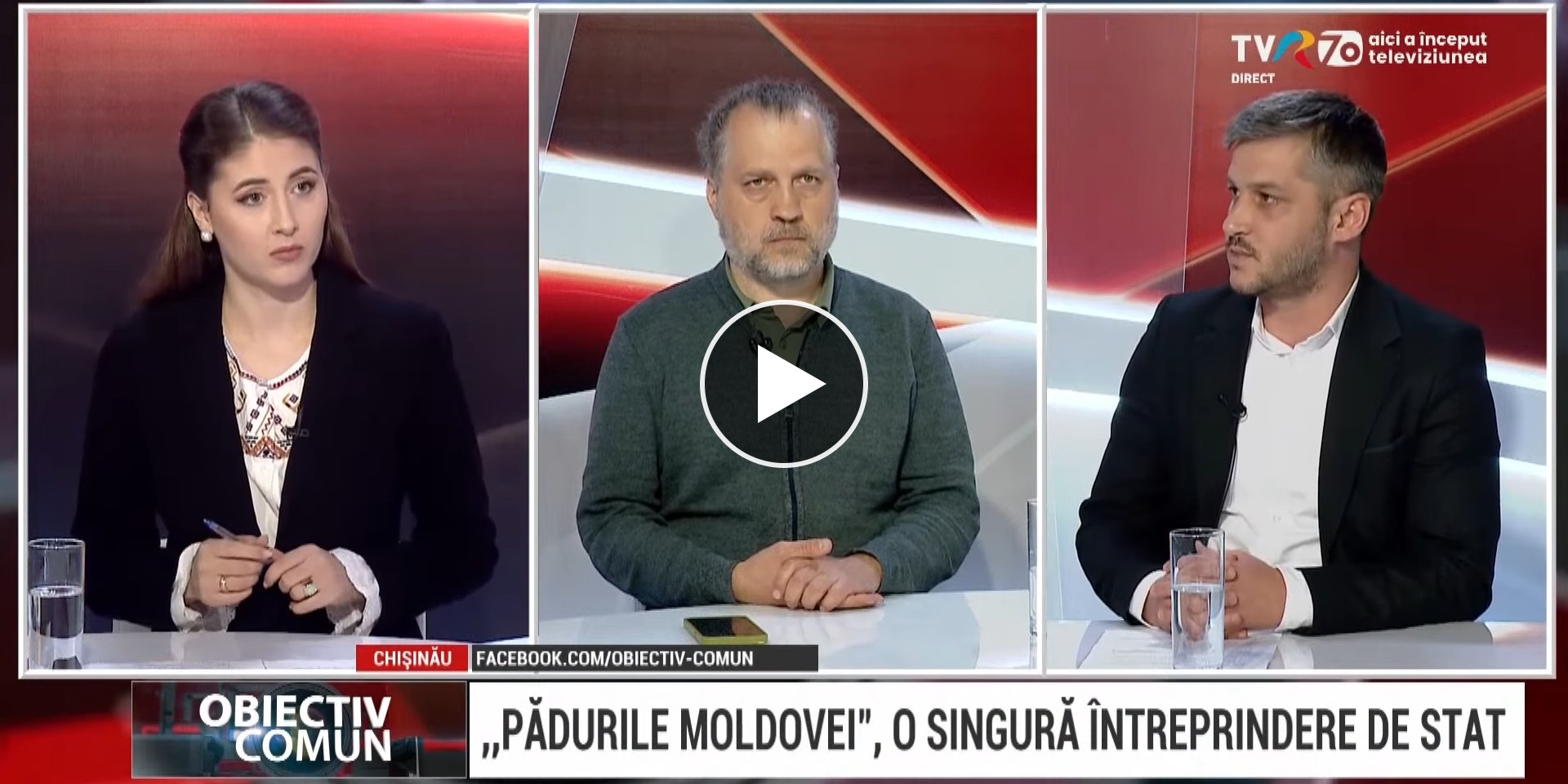
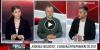
The reform of the Moldsilva Agency was the topic of an episode of Obiectiv Comun on TVR Moldova. The guests were Adrian Scutelnic, principal consultant at the Forest Policy Section of the Ministry of Environment, and Alexandru Sainsus, founder of ARBORETUM.LIVE and president of AO LuRenOm. The programme was produced and hosted by journalist Nadia Mihuță.
The Ministry of Environment proposes merging the 23 managers of the state forest fund - 19 forest enterprises and 4 nature reserves - into a single enterprise, "Pădurile Moldovei" (Forests of Moldova), with one budget and five territorial directorates. The ministry promises that no forest ranger will be laid off, higher wages for field staff and savings of tens of millions of lei a year from a leaner administration. According to Adrian Scutelnic, the change would affect around 193 positions, and absorbing the enterprises would take 12 months.
ARBORETUM supports the merger. The Baltic states, Poland, Ukraine, practically the whole region, have already reorganised their sectors into a single enterprise, more centralised and with specialised departments: a strong mechanisation unit, a separate unit for growing planting stock, which is "a galaxy of its own", a harvesting unit... Such a structure is sound and economically justified - provided it brings higher productivity, technology transfer, efficiency...
We, as civil society, see the main risk in the legal form. The current draft proposes turning "Pădurile Moldovei" into a joint-stock company. Adrian Scutelnic explained that this is the most flexible form, that the forest fund cannot be included in the company's capital, and that the decision is not yet set in stone. But the purely economic lens through which we look at forests today needs to be diluted. A forest is not just timber, it is a public good that belongs to all of us. The water regime depends on it: this year we suffered badly from drought, and with more forests our rivers would have carried more water. We are one of the least forested countries in Europe, and this problem will stay with us for generations. That is why forests should be managed by a public enterprise, funded also from the state budget, the way doctors, teachers, police officers are funded... A forest ranger also manages a fundamental public good. We set out our detailed arguments in 17 questions and 32 proposals submitted to the public consultation.
Just as important is what happens to protected areas. As part of harmonisation with European Union rules, Moldova has committed to creating an agency for protected areas. We propose that the reserves be managed by this agency with biodiversity and ecosystem restoration as priorities, with adequate funding and equipment, and not through self-financing from timber harvesting, as is the case today. By 2030 we must reach 10% protected areas, while the European average is more than twice as high. Adrian Scutelnic noted that the draft on the protected areas agency is going to the Government together with the merger draft.
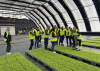
Real efficiency comes not from savings, but from technology. A modern nursery that could supply seedlings for the entire north of the country could run with about 20 people. We saw nurseries like this during our study visit to Sweden and Lithuania - colleagues from Moldsilva were also part of the group. Quality planting stock means less soil preparation, less diesel burned, less beating-up, less tending and savings on every hectare of new forest. Done well, the technological transformation could double or triple the savings promised by the restructuring.
That is why the reform cannot stop at the organisational chart. It has to come together with digitalisation of the sector, timber monitoring and traceability, technology transfer, climate adaptation and the mandatory continuation of the National Programme for Forest Expansion and Rehabilitation.
One more thing: the reform is an opportunity to create a framework for the private forest sector, with incentives for landowners who want to plant forests, as already exists in agriculture.
Reforms like this never go through without resistance. In Lithuania, the reform succeeded only at the third attempt, and the governments that launched the first and the second fell before the process was completed. We do not want such a scenario in the Republic of Moldova. The process must go through an open dialogue at all levels: with professionals, with civil society, with frontline workers. We remain at the disposal of the Ministry of Environment with our expertise, the external expertise we can bring in, and our connections.
We support the courage and commitment of the Ministry of Environment, the Moldsilva Agency and the whole sector, even if our views differ on certain points. Thank you, TVR Moldova, for the attention given to this subject, all the more so in the information environment we are all living in now.
Watch the full episode (in Romanian):
#MoldovaForests #Moldsilva #ForestReform
Related Posts
Planting Forests between Springs
A NEW MINISTER ORDER PROHIBITS FELLING IN THE FORESTS OF THE REPUBLIC OF MOLDOVA!
Our first presentation at Taraclia

EU Green Deal capătă Contur