Why Regulating Deer and Roe Deer Numbers Protects the Forest, Not Cruelty

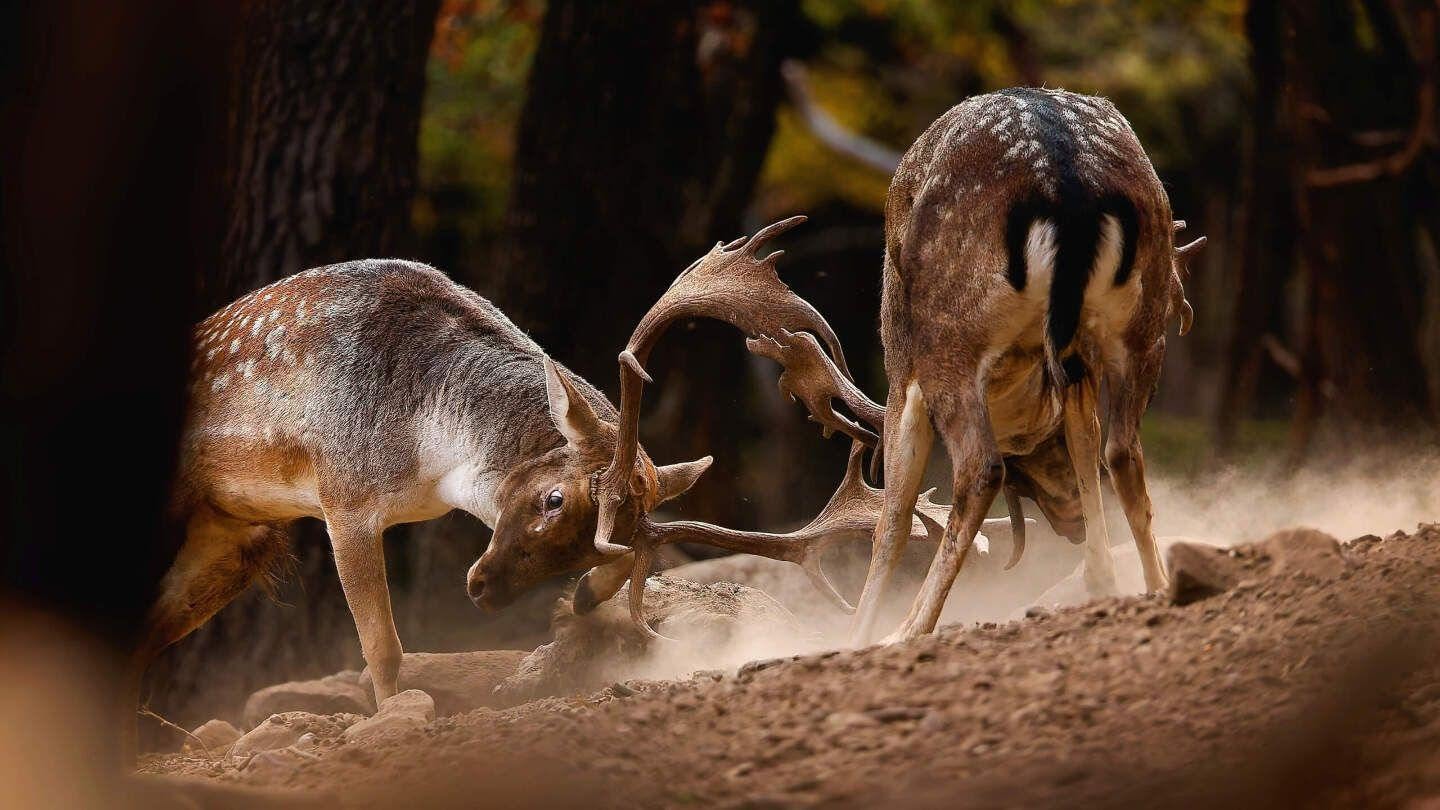
Once again, a wave of sympathy for wild animals is rising across social media. This time, the trigger is an order from the Ministry of Environment approving culling quotas for deer and roe deer. And, as always happens in such cases, a great many bloggers and influencers have suddenly discovered a latent qualification as zoologists and wildlife management specialists.
For more than ten years, I have devoted a significant part of my time to studying the forest and searching for new approaches to reforestation. And this time - something that, I must admit, doesn't happen often - I stand in support of the actions of the Ministry of Environment of the Republic of Moldova.
The problem: there are simply too many ungulates
The number of deer and roe deer in Moldova's forests has long surpassed the level our ecosystems can sustainably bear. In the absence of natural predators, they breed almost without check. If I'm not mistaken, the figures exceed the norm by five to eight times, depending on the region. This is seen most clearly in the Codru, in the central part of the country.
The consequences are visible at every turn - if, of course, you know where to look. The vast majority of tree seedlings today have practically no chance of growing. The moment a young plant pushes out its first leaves and shoots, it is eaten. The crown is browsed away, the tree cannot grow upward, it begins to bush out, it is browsed again and again, and in the end it simply dies.
This is no longer about damage to individual trees. It is the effective halting of natural forest regeneration. The forest grows old, and a new generation of trees does not come to take its place.
Serious damage is also done to new plantings funded from the budget - that is, with our own money. Investments in restoring the forest are quite literally eaten down to the root.
I wrote about this some three or four years ago. Back then, I was buried under hundreds of comments from "animal defenders," mostly from the diaspora, with arguments along the lines of: "But in Switzerland, deer stroll through the parks and eat croissants from your hand." Perhaps in Switzerland the situation is different. But ours is what it is, and over the years it has only grown more acute.
Why nature can no longer cope on its own
The main cause of the imbalance lies in the particular character of our forest tracts. They are heavily fragmented, and a human presence within them has long become a permanent feature.
Deer, the spotted (sika) deer especially, get along splendidly alongside people and are even easily domesticated. Large predators, on the other hand - wolves, lynx, and the other natural regulators of ungulate numbers - find humans far too strong a deterrent. In our forests, they do not last long.
As a result, the natural mechanisms that regulate population numbers have practically ceased to function. Young generations of ungulates grow up without the natural constraints that exist in healthy ecosystems.
But there is one more point that is almost never mentioned. The spotted deer is not a native species at all. It was introduced specifically for hunting estates. Over time it spread so widely that its males began taking females away from the native red deer - a species with a markedly lower natural fertility. The result is a highly viable and, it must be said, exceptionally voracious hybrid. It is precisely the spotted deer and these hybrids that make up the core of the problem today. And it is precisely with regard to them that population control is most justified.
A difficult but necessary choice. Today, the human being is forced to perform a function once carried out by nature itself. Not because he craves the blood of innocent animals, but because it is the human being who has already irreversibly altered the conditions under which these ecosystems exist.
The choice, in essence, is a single one: either we preserve the present number of ungulates, or we carefully regulate it for the sake of saving the forest. Because if nothing is done, in the end there will be neither a healthy forest nor a habitat for those very same deer.
We can and should argue about specific quotas, methods of regulation, and mechanisms of control. That is a normal and necessary debate. But denying the problem itself is no longer possible.
Soon, colleagues at Ecopresa will publish a major piece on this topic - bringing together the views of specialists from various related fields: foresters, ecologists, experts, and public figures. I recommend waiting for that publication and familiarizing yourself with the arguments of different sides before giving in to emotional impulses.
A request to the "universal experts." Please do not politicize this subject. Do not play on people's pity, do not use photographs of animals and hunting trophies for emotional pressure and for discrediting political opponents. The problem is real, it is serious, it has accumulated over years, and it concerns not only deer but the future of our forests as a whole.
To love nature is not only to pity individual animals. Sometimes it means making difficult, unpopular decisions for the sake of preserving the balance of the entire ecosystem.
If we want to preserve our forests for the generations to come, we must approach this matter systematically, professionally, and without political hysterics.
Related Posts
Planting Forests between Springs
A NEW MINISTER ORDER PROHIBITS FELLING IN THE FORESTS OF THE REPUBLIC OF MOLDOVA!
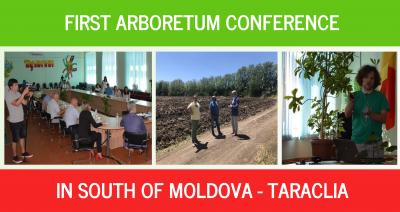
Our first presentation at Taraclia
EU Green Deal capătă Contur